

144 Views
Worksites move fast, and productivity depends on how well people can do their jobs each day. Tools and machinery matter, but the quality of onsite facilities often gets overlooked. Portable buildings, site offices, and modular accommodation have become essential for keeping teams comfortable, organized, and safe. They are practical, scalable, and adaptable to almost any industry, from construction and mining to regional infrastructure projects.
Choosing the right setup requires more than grabbing the closest cheap option. The layout, size, placement, and building type can change how smoothly a project runs. Knowing what to look for helps project managers avoid waste, reduce downtime, and support worker wellbeing.
Why Modular Buildings Make Worksites More Efficient
Modular buildings are designed for flexibility. They support changing project phases without long construction delays. Sites can expand or contract as needed, which keeps budgets predictable and operations simple. Some of the biggest advantages include:
- Fast deployment: Units arrive pre-built, which reduces setup time.
- Safer environments: Clear pathways, designated office areas, and weather-protected spaces help teams work more safely.
- Better workflow: Layouts can be arranged to streamline movement around the site.
- Improved morale: Clean, comfortable spaces make long shifts more manageable.
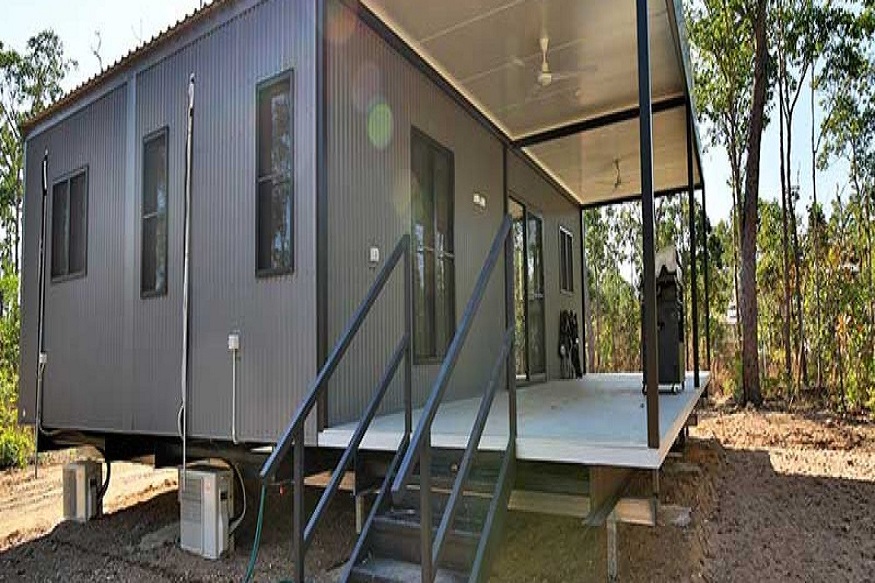
Many companies use modular buildings as lunchrooms, first aid rooms, meeting spaces, washrooms, and accommodation. Others prefer larger complexes for long-term operations. As demand grows, many teams look for dongas for sale that they can reuse across multiple projects.
What Teams Value Most in Worksite Facilities
Projects run smoothly when essential amenities and workspaces match the environment and crew size. These needs vary, but some core requirements come up again and again.
1. Weather Protection All Year Round
Australian weather is known to shift quickly. Heavy rain, strong winds, and long periods of heat are common on remote sites. Quality modular buildings protect staff from these conditions and reduce risks like heat stress or slippery surfaces. Air conditioning and insulated walling make a noticeable difference in both comfort and safety.
2. Purpose-Built Work Zones
Field teams need clearly defined spaces. When offices blend into storage or lunch areas, communication gets messy and hazards increase. Most worksites need a mix of:
- Administrative offices
- Planning and meeting rooms
- First aid and emergency response rooms
- Staff amenities such as toilets, showers, and lunchrooms
- Secure tool and equipment storage
Each zone helps teams stay organized and focused.
3. Durable Designs Built for Heavy Activity
Worksites can be tough on equipment. Buildings need sturdy flooring, strong framing, and weather-resistant materials. High-traffic areas also benefit from easy-clean surfaces and stable entry points. The more durable the setup, the lower the long-term maintenance cost.
4. Space That Grows with the Project
Worksites rarely stay the same from start to finish. Stages can overlap, and team sizes shift depending on deadlines and project complexity. Modular structures allow managers to add or remove units quickly, which prevents bottlenecks and overcrowding.
Setting Up the Ideal Worksite Layout
A well-designed site layout protects people and boosts productivity. The wrong layout can slow down movement across the site or create safety issues. When planning your setup, these factors play an important role:
Centralized vs. Distributed Spaces
Some projects work best with a single cluster of buildings, while others need multiple smaller hubs located closer to different work zones. For example:
- A roadworks project may need small satellite offices placed along the stretch of highway.
- A mining operation may require a central complex with accommodation, admin, and meeting rooms in one location.
Clear Pathways and Vehicle Zones
Heavy machinery, foot traffic, and delivery trucks often operate side by side. Defined walkways, signage, and safe access points keep everything moving smoothly.
Efficient Use of Utilities
Power, water, and waste systems are easier to manage when facilities are grouped strategically. For instance, placing offices near lunchrooms reduces the number of separate utility lines.
Building Orientation for Climate Control
Simple design choices, such as facing windows away from harsh afternoon sun or positioning doorways to reduce wind exposure, can make interiors more comfortable without increasing power consumption.
Matching Modular Buildings to Crew Sizes and Job Types
A large construction team has different needs compared to a small specialist crew. The building configuration should reflect the scale and nature of the work.
For Small Crews (5 to 20 people)
- One combined lunch and meeting room
- One small portable office
- Toilet and shower facilities
- Optional drying room for wet gear
Compact layouts save costs and are easy to relocate.
For Medium Crews (20 to 80 people)
- Multiple offices for supervisors and admin
- Larger lunchroom and kitchen area
- First aid room
- Male and female amenities
- Storage room for tools or documents
These setups help maintain order as daily activity increases.
For Large or Long-Term Crews (80+ people)
- Dedicated training or briefing rooms
- Large office blocks
- Multiple amenities to avoid long queues
- Recreation areas
- Accommodation options for remote locations
Large teams benefit from spacious, well-divided facilities that keep workers comfortable during long stays.
Why Building Sizes and Layout Planning Matter
Space planning is more than measuring square meters. It affects safety, communication, and job performance. When projects ignore layout design, problems can arise such as:
- Crowded lunchrooms
- Slow administrative response times due to distant offices
- Long walks between zones
- Poor hygiene if amenities are too small
- Reduced productivity from heat or cold exposure
Each issue disrupts daily routines. That is why many operations refer to expert guidance when choosing the right building specifications. Resources such as this guide on what to know about sizes and layouts when buying a donga help buyers understand structural considerations, recommended room sizes, and layout options. The information supports better purchasing decisions and ensures the setup suits the worksite’s long-term needs.
How Modular Buildings Improve Worker Wellbeing
Comfort and wellbeing influence productivity. When teams feel supported, morale improves, and turnover drops. Good facilities contribute to:
Reduced Fatigue
Air conditioning, shading, and comfortable seating help staff recover during breaks. This is vital in industries where workers face long hours or demanding physical tasks.
Better Hygiene and Health
Clean toilets, showers, and wash stations reduce the spread of bacteria. Larger teams especially need well-kept amenities to avoid sickness that disrupts workflow.
Mental Health Support
Quiet spaces, break rooms, and private meeting areas give workers a chance to rest or talk through concerns with supervisors.
Key Features to Look for When Buying Modular Buildings
Choosing the right modular building involves evaluating features that affect comfort, lifespan, and adaptability. Important elements include:
Strong Structural Materials
Steel framing and weather-resistant cladding improve durability and safety, especially in remote or windy regions.
Quality Insulation
Effective insulation keeps temperatures stable and reduces energy use. This is essential in hot climates where cooling systems run for long periods.
Functional Interior Layouts
Look for designs that include:
- Practical storage
- Adequate seating
- Enough circulation space
- Acoustic treatments for noise-heavy sites
Compliance with Local Standards
Buildings should meet relevant Australian safety, fire, and workplace standards. This prevents non-compliance issues that can delay operations.
Transport and Relocation Options
Units designed for easy transport save time and money when shifting between projects.
Long-Term Cost Benefits of Modular Worksite Solutions
Some managers focus on the upfront price, but long-term savings often make modular buildings more cost-effective than traditional structures. Major benefits include:
- Lower setup and teardown expenses
- Reusability across multiple projects
- Lower energy bills through efficient designs
- Reduced maintenance due to durable materials
With the right planning, modular buildings become an investment that supports ongoing operations for years.
Preparing Your Site for Installation
Before bringing units onsite, the ground must be stable, safe, and accessible. Key preparation tasks include:
- Ensuring flat, compacted ground for stable placement
- Checking access for delivery trucks and cranes
- Installing temporary fencing for safety
- Running preliminary power and plumbing connections
- Mapping out entry and exit points
A well-prepared site allows installation to run smoothly.
Creating a Safe and Productive Space for the Entire Team
Modular buildings help maintain order in environments known for heavy machinery, long hours, and unpredictable weather. They create structured areas that support every part of the job, from planning and administration to rest and personal care. When chosen carefully, they contribute to a more efficient workplace where people can focus on their tasks with fewer disruptions.
Teams that invest in quality buildings often notice improvements in productivity, staff satisfaction, and onsite communication. A functional workspace is not just a practical addition; it is a foundation for safer and more successful project delivery.
A thoughtful approach to modular building selection and layout planning sets the tone for the entire worksite. The right facilities can support teams through every stage of a project, creating a space that feels organized, safe, and ready for progress.